An ache deep behind the scrotum. Burning along the urethra. Pain that flares after ejaculation, after a long drive, after a day at a desk. Needing to urinate often, and never quite feeling finished. For many men it starts suddenly, gets labelled “prostatitis”, and is treated with an antibiotic.
Sometimes that works. Often it does not, and a second course follows, then a third. Months later the pain is still there, the tests keep coming back clear, and the man is left wondering whether anyone believes him.
If that sounds familiar, you are dealing with one of the most common and least understood conditions in men’s health. The first step toward getting better is understanding why the standard approach so often misses the target.
Most “Chronic Prostatitis” Is Not an Infection
Prostatitis is a catch-all word covering several quite different problems. The classification used by urologists splits it into four categories:
- Acute bacterial prostatitis: a sudden, severe infection with fever and feeling unwell. It needs prompt antibiotics.
- Chronic bacterial prostatitis: a recurring infection, usually with repeated urinary tract infections caused by the same organism.
- Chronic prostatitis / chronic pelvic pain syndrome (CP/CPPS): pelvic pain for at least three of the past six months, with no infection found.
- Asymptomatic inflammatory prostatitis: inflammation discovered incidentally, with no symptoms.
The third category accounts for the large majority of men with long-standing symptoms. Bacterial prostatitis is the minority. That single fact explains most of the frustration: a condition that is usually not an infection keeps being treated as if it were one.
Why Repeated Antibiotics Disappoint
When an antibiotic is prescribed early and symptoms improve, it is tempting to credit the drug. But many men with CPPS improve on their own for a while, and some antibiotics have mild anti-inflammatory effects that can blur the picture. In controlled trials of men with long-standing CPPS, antibiotics have generally performed no better than placebo.
Repeated courses are not harmless either. Fluoroquinolones, the class most often used for the prostate, carry regulatory warnings about tendon injury and nerve problems. If you have had several courses with negative cultures and no lasting improvement, it is reasonable to ask your physician whether further antibiotics are likely to help.
The same pattern applies to other single-target treatments. Alpha-blockers, which relax the muscle at the bladder neck and prostate, help some men, particularly early in the condition, but benefit in long-standing cases is modest. No single drug reliably fixes CPPS, because CPPS is rarely a single problem.
What Is Actually Going On
The current understanding is that CPPS is a pain syndrome with several possible drivers, which vary from man to man. The most common include:
- Pelvic floor muscle dysfunction. Tight, overactive pelvic floor muscles with tender trigger points are found in a large proportion of men with CPPS. These muscles can refer pain to the perineum, penis, testicles, lower abdomen and tailbone, and can cause urinary and ejaculatory symptoms that mimic a prostate problem.
- Nerve sensitisation. When pain persists, the nervous system can become more reactive, amplifying signals from the pelvis. This is why pain sometimes spreads, or appears in areas that look perfectly normal on examination.
- Local inflammation and reduced blood flow in the pelvic tissues, even without infection.
- Stress, poor sleep and anxiety. Not “all in your head”, but a real amplifier. Stress tightens the pelvic floor, tight muscles hurt, and pain raises stress. Men who expect the worst tend to have worse outcomes, which is a reason to treat this part of the cycle rather than dismiss it.
Many urologists now use a structured approach called UPOINT to map which of these domains apply: Urinary symptoms, Psychosocial factors, Organ-specific findings, Infection, Neurological or systemic features, and muscle Tenderness. Treatment is then matched to the domains that are present. Men who receive this kind of multi-pronged treatment tend to do better than those given one medication after another.
How CPPS Affects Sexual Health
CPPS is not only a pain problem. Pain during or after ejaculation is one of its most characteristic features, and it is common for men to start avoiding sex because of it. Erectile dysfunction and premature ejaculation both occur more often in men with CPPS, driven by a mix of pelvic floor tension, reduced blood flow, anxiety and simple avoidance.
This matters because it changes what “getting better” means. For many men the goal is not only less pain, but getting back to a normal sex life without dreading the aftermath. We discuss the overlap with early ejaculation in our article on combining shockwave and pelvic floor physiotherapy for premature ejaculation.
What Should Come First
Before any specialised treatment, a few things are worth getting right:
- A proper diagnosis. Rule out genuine infection with appropriate urine testing, and rule out other causes of similar symptoms (see the warning signs below).
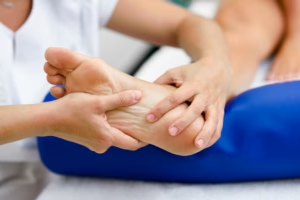
- A pelvic floor assessment. A pelvic floor physiotherapist can identify muscle tension and trigger points and treat them with manual therapy, relaxation training and breathing work. For men with CPPS the goal is usually to release the pelvic floor, not strengthen it. Kegel exercises can make things worse if the muscles are already overactive.
- Daily habits that reduce flares. Breaking up long periods of sitting, using a cushion that takes pressure off the perineum, regular gentle exercise, adequate sleep, and noticing whether alcohol, caffeine or spicy food make symptoms worse.
- Addressing stress directly. Relaxation practice, counselling or pain education are legitimate parts of treatment, not an afterthought. Our article on anxiety, depression and men’s sexual health covers some of this in more detail.
Where Focused Shockwave Therapy Fits
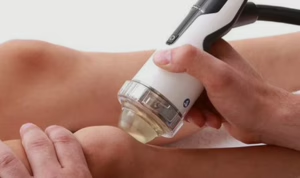
Focused shockwave therapy delivers targeted electromagnetic energy to the pelvic floor and perineal tissues from the outside, through the skin between the scrotum and the anus. There are no needles, no anaesthetic and no probe. The proposed effects include reduced pain signalling, relaxation of tight muscle, and improved blood flow in the treated tissue.
CPPS is one of the better-studied urological uses of shockwave therapy. Several randomised, sham-controlled trials have reported meaningful improvements in pain, urinary symptoms and quality of life compared with placebo treatment, and pooled analyses have reached similar conclusions. The honest caveats are that most studies follow patients for months rather than years, and that results vary between men.
Some practical points:
- It is a course of treatment, typically several sessions spaced about a week apart
- Sessions are short, with no downtime; you can return to work straight afterwards
- Most men find treatment comfortable or only mildly uncomfortable
- Improvement usually builds over the weeks after the course, rather than appearing after the first session
- It works best as part of a wider plan. Combined with pelvic floor physiotherapy and attention to stress and sleep, it addresses more of the drivers at once
- It does not treat infection, and it is not a substitute for investigating symptoms that need it
Focused Versus Radial
The studies with the strongest results for CPPS used focused shockwave devices, which concentrate energy at a set depth in the tissue. Radial pressure wave devices spread energy near the surface and are a different technology, even when marketed under the same name. We use the Storz Medical DUOLITH SD1, a focused electromagnetic device. Whichever clinic you choose, ask which type they use.
When It Might Be Something Else
Pelvic pain and urinary symptoms can have other causes, some of which need prompt medical attention. See your physician before pursuing CPPS treatment, or urgently where indicated, if you have:
- Fever, chills or feeling generally unwell alongside pelvic pain, which may indicate acute infection
- Inability to pass urine, or a very weak stream that is getting worse
- Blood in your urine or semen
- A lump or swelling in a testicle
- Unexplained weight loss, night sweats or new bone pain
- A raised or rising PSA, or you are over 50 and have not discussed prostate screening with your physician
Urinary symptoms in older men are also commonly caused by prostate enlargement rather than CPPS. Our page on benign prostatic hyperplasia explains the difference.
Getting a Straight Answer
If you have been through multiple courses of antibiotics, clear test after clear test, and still have pain, you are not imagining it, and you are not out of options. A good assessment should tell you which drivers are most likely in your case, whether your previous treatment actually targeted them, and whether focused shockwave therapy is likely to help.
FocusWave Clinic offers complimentary assessments at our Ottawa and Kitchener-Waterloo clinics. If we do not think shockwave therapy is right for you, we will say so and tell you what we would suggest instead.
Call 888-558-9283 or book your complimentary assessment online.
Read more about shockwave therapy for chronic pelvic pain syndrome, pelvic floor physiotherapy, and the clinical evidence.
Important Limitations and Disclaimer
This article is for educational purposes only and does not constitute medical advice, diagnosis or a treatment recommendation. Pelvic pain and urinary symptoms can have many causes, some serious, and should be assessed by a qualified healthcare professional. Do not stop or change any prescribed medication without speaking to your physician. Focused shockwave therapy is not appropriate for everyone; contraindications include active infection or malignancy in the treatment area, certain bleeding and circulatory conditions, and some implanted devices. Individual results vary.